



What is an Alternator?
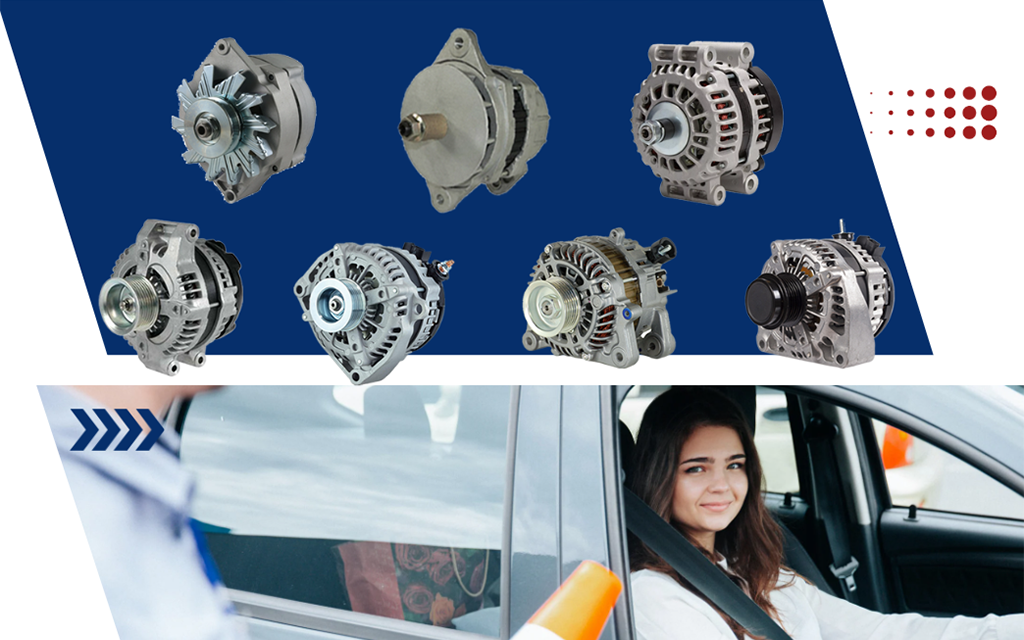
The alternator is a crucial component in your car’s electrical system, responsible for keeping the battery charged and ensuring that various electrical systems function properly. It converts mechanical energy from the engine into electrical energy. This electrical energy is used to power the vehicle’s electrical systems, such as the headlights, radio, and air conditioning, while also keeping the car battery charged. Without a properly functioning alternator, the car battery will quickly deplete, leading to various electrical failures and, ultimately, a non-starting engine.
Understanding the role of the alternator and recognizing signs of potential issues can help you maintain your vehicle’s health and avoid unexpected breakdowns.
How Does an Alternator Work?
The alternator is driven by a belt connected to the engine’s crankshaft. As the engine runs, the crankshaft turns the belt, which in turn spins the alternator’s rotor. Inside the alternator, the rotor spins past a stator, creating an alternating current (AC).
This AC is then converted to direct current (DC) by the rectifier to charge the battery and power the car’s electrical systems.
Signs of a Failing Alternator
Recognizing the symptoms of a failing alternator can save you from unexpected breakdowns and costly repairs.
Here are some common signs:
-
Dim or Flickering Headlights
If you notice that your headlights are dimming or flickering, it could indicate that the alternator is not supplying enough power. -
Battery Warning Light
Most cars have a battery warning light on the dashboard that illuminates when there’s an issue with the charging system. This light often resembles a battery icon and may indicate a problem with the alternator. -
Electrical Failures
Issues with power windows, radio, air conditioning, or other electrical components can suggest alternator problems. -
Strange Noises
Grinding or whining noises coming from the engine bay could be a sign of a worn-out alternator bearing or other internal components. -
Dead Battery
If your battery keeps dying despite being relatively new, the alternator might not be charging it properly.